Overview
ConnetinBot is an IoT-integrated ERP platform built for cylinder manufacturing units. It connects directly to shop-floor sensors and gives supervisors and operations managers a live view of production status, machine health, inventory, and compliance — all from a single interface, on any device on the factory floor.
The problem
Cylinder manufacturing is a compliance-heavy, shift-based operation with zero tolerance for failure. The teams running these units were navigating three disconnected systems — production tracking, inventory management, and compliance reporting — none of which communicated with each other or reflected real-time data.
A supervisor discovering a pressure anomaly on the floor had to log it manually in one system, check inventory impact in a second, and file a compliance report in a third. A process that should take five minutes routinely took over thirty. By then, the window to prevent downstream failures had often already closed.
Design approach
One question drove every layout decision: what does a floor supervisor need to know in the first 60 seconds of a shift? Everything else is secondary to that.
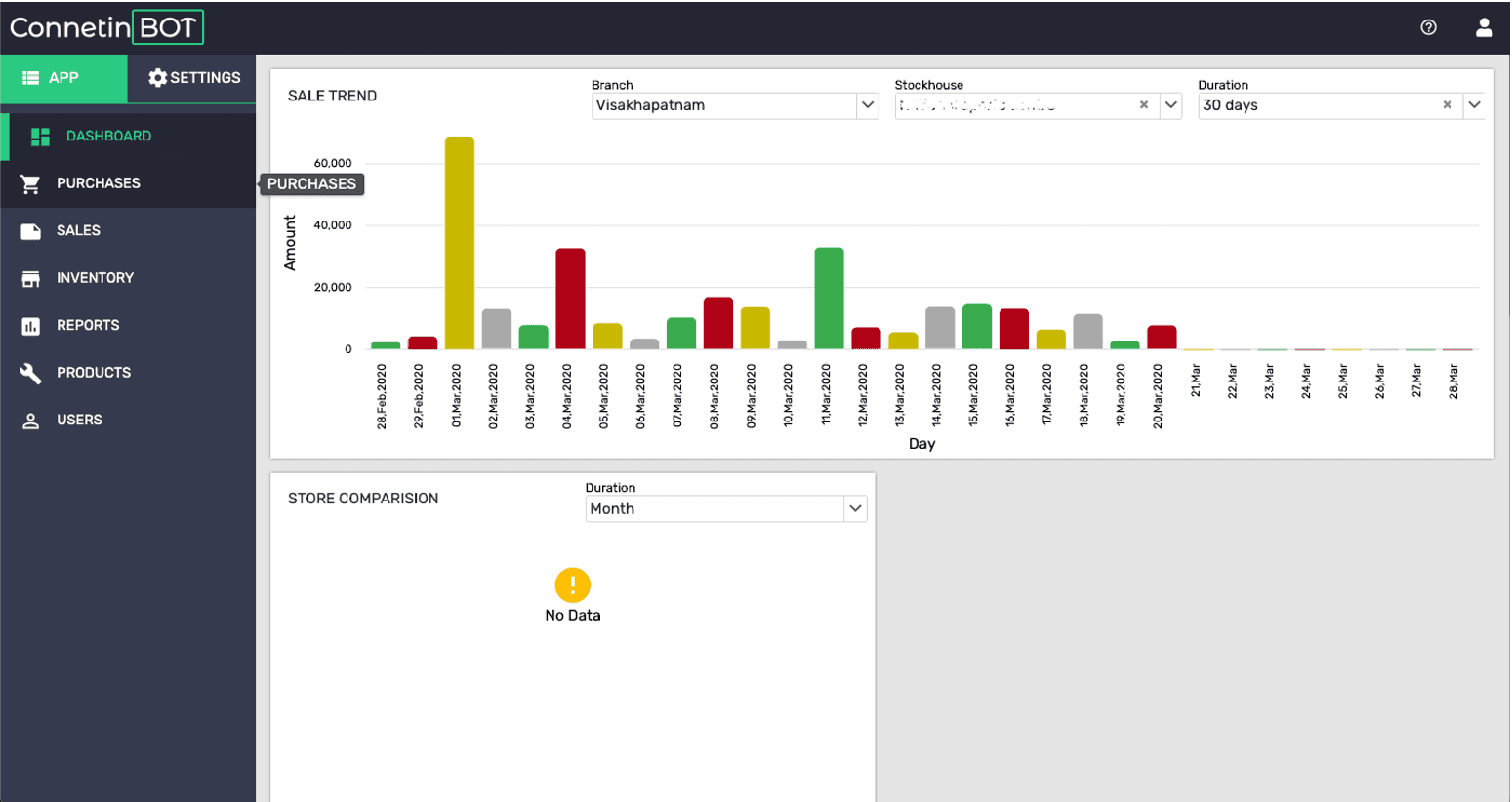
The dashboard surfaces three things upfront: current production run status, active alerts requiring action, and today's compliance checkpoint progress. Everything else is one tap away but not competing for attention at a glance.
IoT sensor alerts surface directly on the affected machine in the production schematic — not in a generic notification inbox that requires separate triage. This spatial connection between alert and source cut the time to identify and act on an issue significantly.
Touch targets were sized for industrial gloves. Status indicators were tested under factory lighting. Text sizes were calibrated for viewing at arm's length on a mounted tablet. The physical context of use shaped every visual decision.
Navigation was organised around shift phases — pre-shift checklist, active monitoring, end-of-shift handoff — not software feature modules. Workers moving between physical and digital tasks throughout the day needed the app to match their mental model of the shift, not the software team's model of the product.
Key decisions
Alert tiers to prevent fatigue. Early testing showed operators dismissing every alert because volume was too high. We introduced severity tiers — critical (machine stop threshold, requires immediate action), warning (approaching threshold, log and monitor), informational (automated log entry). Only critical alerts appear in the persistent notification bar. The result: critical alerts got acted on instead of ignored.
Compliance generated from sensor data, not manually entered. End-of-shift compliance reporting used to take 30–45 minutes per supervisor — pulling data from three systems and entering it into report templates. ConnetinBot auto-populates compliance reports from continuous IoT logs. Supervisors review, annotate exceptions, and sign off. The data entry burden was eliminated entirely.